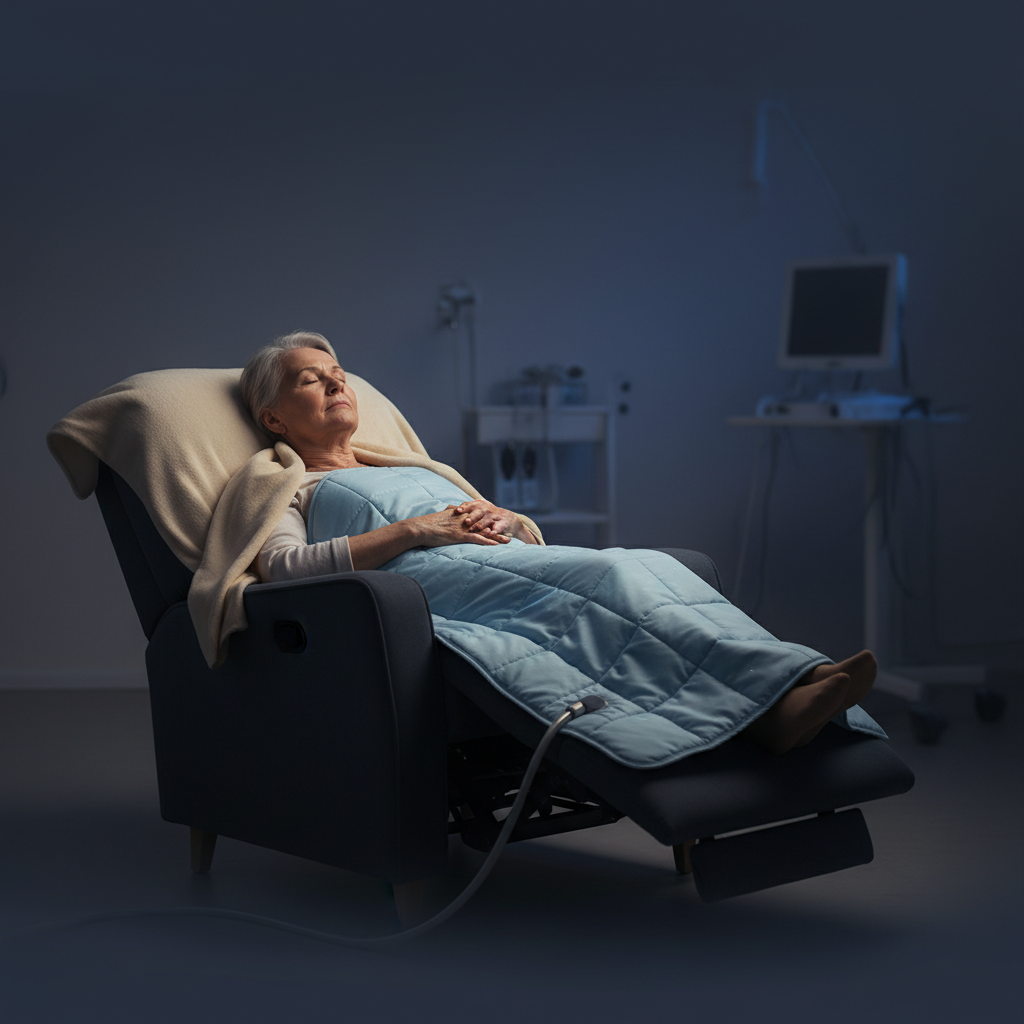
In 40 seconds
Post-stroke fatigue affects up to 70% of stroke survivors and is one of the most under-treated symptoms. Mechanism is poorly understood — likely multifactorial (inflammation, deconditioning, depression, sleep disorders, medication side effects). Magnetic-stimulation evidence is small-pilot only — no phase-3 RCT specifically for post-stroke fatigue. Some signal in studies that measured fatigue as secondary outcome alongside motor or depression endpoints. Consumer PEMF mats have no completed post-stroke fatigue RCT. NICE NG236 pathway is to address modifiable contributors first: screen for depression, sleep disorders (including OSA which is underdiagnosed post-stroke), thyroid function, medication review, vitamin B12, iron, anaemia. Graded exercise has the strongest evidence of any intervention for post-stroke fatigue.
Quick facts
- Post-stroke fatigue prevalence: Up to 70%
- rTMS-fatigue evidence: Small pilot only; no phase-3 RCT specifically for this
- Consumer PEMF in PSF: No completed RCT
- Strongest non-pharm evidence: Graded exercise
- Modifiable contributors: Depression, OSA, thyroid, medication, B12, iron, anaemia
- NICE NG236 first-line: Identify and treat modifiable factors; graded exercise
Why post-stroke fatigue is the under-treated symptom
Post-stroke fatigue is one of the symptoms most likely to limit return-to-life after stroke and one of the least well-targeted by specific interventions. The pathophysiology is poorly understood — central inflammation, deconditioning, mood, sleep disruption and medication side effects all contribute. The Fatigue Severity Scale (FSS) and Fatigue Assessment Scale (FAS) are the most-used measures.
Magnetic-stimulation evidence is small. Some rTMS-depression trials in stroke survivors have measured fatigue as a secondary outcome with positive signals; no phase-3 RCT has fatigue as primary endpoint. Consumer PEMF mats have no completed post-stroke fatigue RCT — extrapolation from MS-fatigue PEMF evidence (which is itself modest) is not appropriate.
NICE NG236 pathway is structured: identify and treat modifiable contributors first. Depression is the highest-yield target (SSRI ± psychological therapy). Sleep disorders — particularly obstructive sleep apnoea, which is underdiagnosed post-stroke — are second. Thyroid function, B12, ferritin, full blood count are basic screens worth doing. Polypharmacy review — particularly sedating medications, antihistamines, opioids, anticholinergics — is high-value.
Graded exercise has the strongest evidence of any intervention for post-stroke fatigue (paradoxical-seeming but well-replicated). Stroke physiotherapy services in the UK increasingly include fatigue-focused exercise programmes.
Frequently asked questions
Can rTMS reduce my post-stroke fatigue?
Small pilot evidence only. No phase-3 RCT with fatigue as primary endpoint. UK access via research trial.
Will a PEMF mat help post-stroke fatigue?
No completed RCT supports this. Address modifiable contributors first.
What's the first thing to do for post-stroke fatigue?
Get screened for depression, sleep apnoea, thyroid disease, anaemia and B12. These are common, treatable contributors.
Does exercise really help post-stroke fatigue?
Yes — paradoxically. Graded exercise has the strongest evidence. Stroke physio services increasingly offer fatigue-focused programmes.
Should I be screened for sleep apnoea?
Yes if there are symptoms (snoring, witnessed apnoea, daytime sleepiness). OSA is underdiagnosed post-stroke and worsens both fatigue and stroke outcomes.
Could my medications worsen fatigue?
Possibly. Beta-blockers, sedating antihistamines, opioids, anticholinergics, some antiepileptics all contribute. Polypharmacy review is high-yield.
Is post-stroke fatigue the same as MS fatigue?
Different mechanisms but similar phenomenology. The PEMF MS-fatigue evidence does not directly transfer to post-stroke fatigue.
How long after my stroke will fatigue improve?
Variable. Many survivors notice gradual improvement over 6-12 months. Persistent severe fatigue at 6+ months warrants systematic evaluation.
Related pages
Looking for a PEMF clinic in the UK?
We list every credible PEMF therapy provider in the UK. No UK clinic can legally claim to treat stroke with PEMF or rTMS.