In 40 seconds
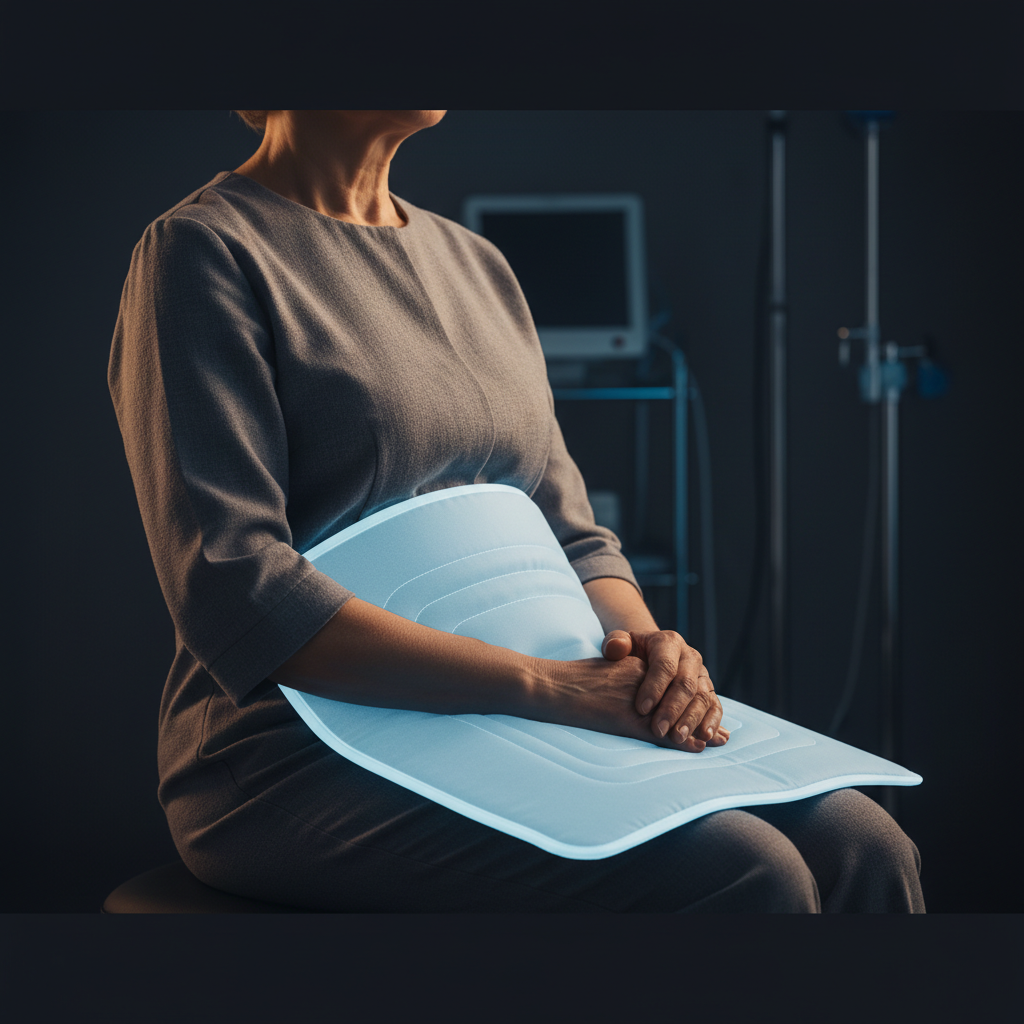
Caring for a partner, parent or relative with Parkinson's is one of the most demanding caregiving roles, especially as the disease progresses. Carers experience higher-than-average rates of chronic stress, sleep disruption, musculoskeletal pain (from manual handling and broken sleep), and depression. This is where PEMF actually has acceptable evidence — not as a Parkinson's treatment, but as a wellness intervention for the carer. PEMF has reasonable evidence for chronic low back pain, sleep quality, and stress-related symptoms in adults without implants. Used honestly — for the carer, in the carer's own time — it is a sensible household investment. The trap to avoid is marketing it to yourself as a PD treatment for the person being cared for; that crosses into evidence-free territory.
Quick facts
- Carer chronic-pain prevalence: Higher than age-matched non-carer population — manual handling + broken sleep
- Carer mood disorder prevalence: 30-40% experience clinically significant depression at some point
- Carer sleep disruption: Universal in households with night-time PD symptoms (RBD, falls, off-period awakening)
- PEMF chronic-pain evidence in adults: Acceptable — multiple RCTs in low back pain, OA, fibromyalgia
- PEMF sleep evidence in adults: Small RCTs, mixed; reasonable wellness use
- PEMF stress evidence: Bredahl 2017 (n=96) — light + PEMF + coaching vs sham — modest improvements
- Locked rule: Frame as carer wellness, NOT treatment for the PD patient
Why this is the legitimate angle
The marketing for PEMF in PD households almost always pitches it to the person with Parkinson's. The actual evidence base is much stronger for the carer.
The carer load in Parkinson's
PD progresses over years and the caring role typically intensifies. Manual handling for falls, transfers and personal care drives musculoskeletal pain — particularly low back, shoulder and neck. Sleep disruption is universal in households with night-time PD symptoms: RBD with dream enactment, off-period awakening at 3–5am, urinary frequency, restless legs, falls during night-time toileting. Chronic stress accumulates from the cumulative responsibility, the disease trajectory, and often the social isolation of caregiving.
Carer mood disorder prevalence is high — 30–40% experience clinically significant depression at some point. Carer physical health declines faster than age-matched non-carer peers in some longitudinal studies.
Where PEMF actually has evidence
- Chronic low back pain in adults — multiple RCTs support PEMF as an adjunct (Cochrane has been cautious about quality, but the direction-of-effect signal is positive). See our /lower-back-pain page for the detailed review.
- Knee osteoarthritis — PEMF has acceptable RCT evidence for pain and function. See /knee-osteoarthritis.
- General sleep quality in adults — small RCTs show benefit; brand-funded studies should be read with caution.
- Stress-related symptoms — Bredahl 2017 (n=96, light + PEMF + coaching vs sham control) showed modest improvements in chronic work-related stress markers.
- Fibromyalgia and chronic widespread pain — some RCT evidence in non-PD adults.
The lock to avoid
The trap is to buy a PEMF mat for the carer, then start using it on the person with PD with the assumption that "well, it can't hurt." This is where:
- UK ASA standards are crossed if any treatment claim is made
- Safety risks specific to PD (DBS implants, orthostatic hypotension, falls during sit-to-stand from the mat, freezing during transitions) become live
- Expectation effects (Strafella 2006 sham-rTMS PD dopamine release) cloud honest assessment
Use it for yourself as the carer. Be honest with yourself if you start using it for the PD patient — and consult the movement-disorders nurse before doing so.
The legitimate carer protocol
For a carer using PEMF on themselves: standard wellness protocol — 8 to 30 minutes once or twice daily, over the affected musculoskeletal area for pain, or full-body mat for general use. Check for implants (pacemaker, ICD, cochlear, spinal cord stimulator) before any use. Pregnancy, active malignancy, and active infection are exclusions. If you're on anticoagulants discuss with the GP first.
Other carer wellness investments worth considering
- Respite care — local authority or charity-provided, often under-used
- Day-centre attendance for the person with PD — provides social engagement and gives carers a break
- Parkinson's UK carer support group — peer-led, evidence-based, free
- Mental-health support for the carer — GP referral for talking therapies if mood declines
- Specialist physiotherapy advice on safe manual handling — reduces carer injury risk
Frequently asked questions
Can I use a PEMF mat on myself while caring for my husband with PD?
Yes — that is the legitimate use case. PEMF has acceptable evidence for chronic pain, sleep and stress in adults without implants. Use it for your own back pain, sleep, or general wellness.
Should I use it on him too?
Not as a PD treatment — the evidence does not support that. If he has musculoskeletal pain (back, knee, shoulder) and no implants, PEMF for that pain is a reasonable adjunct. But frame it honestly: musculoskeletal pain management, not PD treatment.
What if he has DBS?
Then PEMF over his head is contraindicated. PEMF over his body needs written DBS-clinic clearance. Your own use is unaffected — keep your usage separate from the DBS-side of the household.
How much should I spend on a PEMF mat?
Consumer PEMF mats range widely. A mid-range mat with a reputable manufacturer is typically £500–£1,500. Higher-priced devices are not necessarily more effective. Match the budget to your honest use case (your own pain or sleep) rather than to PD treatment hopes.
Will PEMF help my caring-related back pain?
Probably yes — PEMF for chronic low back pain in adults has acceptable RCT evidence. See our /lower-back-pain page for the detailed review and protocol guidance.
I'm exhausted — will it help my sleep?
PEMF has small but reasonable evidence for general adult sleep quality. Combine with sleep hygiene basics and consider respite for the underlying cause.
Where can I find carer support?
Parkinson's UK has carer support groups (parkinsons.org.uk or call 0808 800 0303). Local authority social services can assess for respite care. GP referral for mental-health support if mood is declining.
Should I expect to develop my own health problems from caring?
Some risk yes — carer physical and mental health decline is well-documented in longitudinal studies. Investing in your own wellness — PEMF for pain, exercise, social contact, respite — is not selfishness; it is sustainable caring.
Related Parkinson's pages on PEMF UK
Looking for a PEMF clinic in the UK?
We list every credible PEMF therapy provider in the UK. Please remember: no UK clinic can legally claim to treat Parkinson's with PEMF or rTMS.