In 40 seconds
Pain affects up to 65% of MS patients across multiple types: central neuropathic pain (the most characteristic), trigeminal neuralgia, painful tonic spasms, musculoskeletal pain (often from gait and posture changes), and L'hermitte's sign. Lefaucheur 2020 European guideline gives Level A (definite efficacy) for HF-rTMS over M1 in chronic neuropathic pain generally — the highest evidence grade in the rTMS therapeutic literature. MS-specific extrapolation is reasonable. Consumer PEMF for the musculoskeletal-pain component has acceptable general evidence (see /lower-back-pain page). Standard NICE pathway for neuropathic pain (gabapentin, pregabalin, duloxetine, amitriptyline) remains first-line.
Quick facts
- MS pain prevalence: Up to 65% across disease course
- Lefaucheur 2020: Level A for HF-M1 rTMS in chronic neuropathic pain (general)
- MS pain types: Central neuropathic, trigeminal, tonic spasms, musculoskeletal, L'hermitte's
- Standard neuropathic pain first-line: Gabapentin, pregabalin, duloxetine, amitriptyline (NICE NG193)
- Consumer PEMF MSK pain: Acceptable general evidence in non-MS adults
- rTMS UK access: Research trial or private clinic only
What the MS pain evidence shows
Lefaucheur 2020 — the European IFCN evidence-based guideline — gives Level A (definite efficacy) for HF-rTMS over M1 in chronic neuropathic pain. This is the highest evidence grade in the rTMS therapeutic literature and applies across multiple causes of chronic neuropathic pain. MS-specific extrapolation is reasonable but trial-specific MS pain rTMS evidence is smaller. The mechanism — M1 stimulation modulates descending pain inhibitory pathways via thalamocortical loops — is well-characterised.
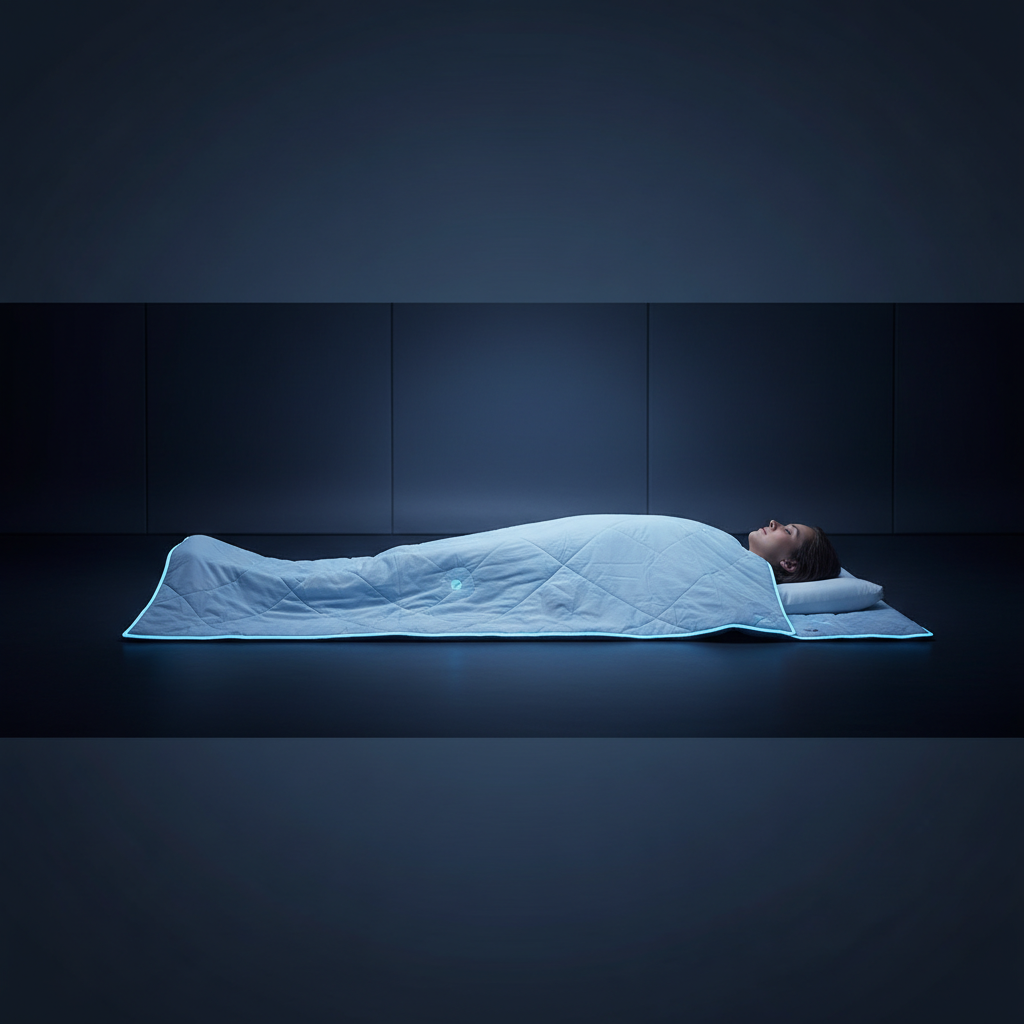
For musculoskeletal pain (often from gait/posture changes in MS), consumer PEMF has acceptable general evidence in non-MS adults — chronic low back pain, knee OA, fibromyalgia. Used over the affected musculoskeletal area in the absence of implants, it is a reasonable adjunct alongside physiotherapy and standard analgesia.
Standard NICE NG193 pathway for neuropathic pain — gabapentin, pregabalin, duloxetine, amitriptyline — remains first-line in MS pain. Trigeminal neuralgia in MS is sometimes treated with carbamazepine, oxcarbazepine, lamotrigine, gamma-knife radiosurgery or microvascular decompression. Painful tonic spasms respond to carbamazepine. rTMS is not a substitute — it would sit as an adjunct in refractory cases via trial access.
Frequently asked questions
Does rTMS reduce MS neuropathic pain?
Lefaucheur 2020 gives Level A for HF-M1 rTMS in chronic neuropathic pain generally. MS-specific RCTs are smaller but consistent.
Can a PEMF mat help my MS back pain?
For musculoskeletal back pain in adults without implants, consumer PEMF has acceptable general evidence. See our /lower-back-pain page.
Is rTMS for MS pain available on the NHS?
No. UK access is via clinical trial or private clinic only.
What about my trigeminal neuralgia?
MS-related trigeminal neuralgia has specific treatments (carbamazepine, oxcarbazepine, microvascular decompression). PEMF is not in the standard pathway.
Can PEMF help my painful tonic spasms?
Standard treatment is carbamazepine. PEMF has no specific evidence for tonic spasms.
Does pregabalin work better than PEMF?
Pregabalin has NICE recommendation for neuropathic pain. Trial-level evidence is stronger than consumer PEMF for neuropathic pain specifically.
Can I combine PEMF with my pain medications?
Yes — no known pharmacokinetic interaction. Standard implant exclusions apply.
What's the difference between PEMF and TENS?
Different mechanisms: TENS uses electrical pulses on skin; PEMF uses magnetic fields. Both are used adjunctively for pain; evidence quality differs by condition.
Related pages
Looking for a PEMF clinic in the UK?
We list every credible PEMF therapy provider in the UK. No UK clinic can legally claim to treat MS with PEMF or rTMS.