In 40 seconds
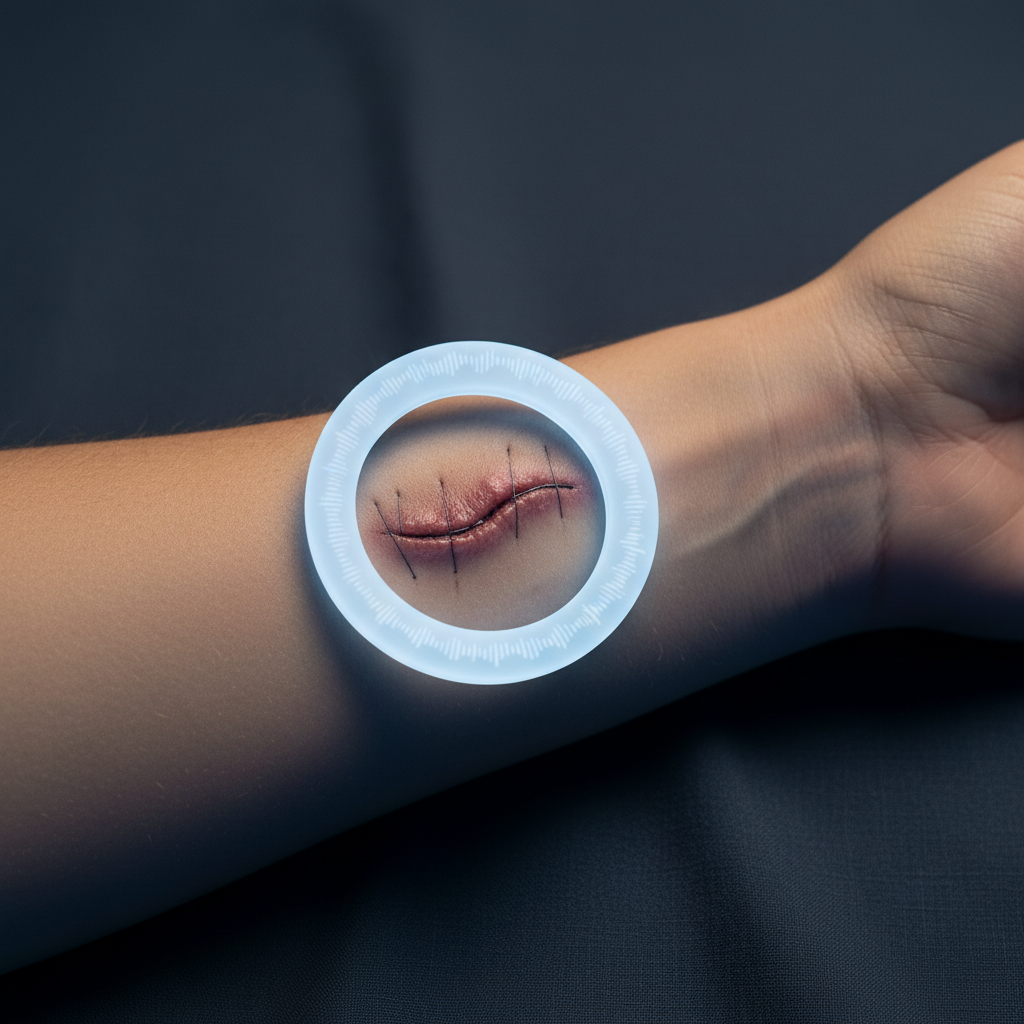
PEMF therapy is FDA-cleared for post-surgical pain and oedema (1987) and shows strong evidence for accelerating chronic wound healing. The mechanism: improved microcirculation, increased fibroblast and keratinocyte activity, reduced inflammation, and angiogenesis (new blood vessel formation) — all critical for wound closure. Particularly studied in diabetic foot ulcers, venous leg ulcers, and pressure sores. Typical UK protocol: 2–3 sessions per week alongside standard wound care.
Quick facts
- FDA-cleared: Post-surgical pain and oedema (1987)
- Best for: Chronic wounds, diabetic ulcers, post-op incisions
- Mechanism: Microcirculation, fibroblast activity, angiogenesis
- Sessions: 2–3× per week alongside standard wound care
- Pairs with: Wound dressings, antibiotics if indicated, glycaemic control
Why wound healing is hard
Wound healing requires intact circulation, controlled inflammation, and healthy fibroblast activity. In diabetic foot ulcers, venous leg ulcers, and pressure sores, one or more of these systems is compromised — leading to wounds that won't close for months or years.
How PEMF helps wounds heal
- Improves microcirculation to under-perfused wound tissue
- Stimulates fibroblast proliferation and collagen synthesis
- Triggers angiogenesis (new blood vessel formation)
- Reduces wound inflammation and bioburden
- Accelerates re-epithelialisation (skin regrowth)
2024 research in Nature Scientific Reports directly confirmed PEMF supports angiogenesis through mitochondrial regulation — particularly relevant to chronic wound recovery.
Contraindications
Hard exclusions — do not have PEMF if any apply:
- Pacemaker, implantable cardioverter-defibrillator (ICD), or any cardiac electronic device
- Cochlear implant or other implanted electronic hearing device
- Spinal cord stimulator, deep-brain stimulator, vagus nerve stimulator
- Intrathecal pump or implanted drug pump
- Insulin pump (continuous glucose monitors are usually fine — confirm with the clinic)
- Active infection at the treatment site
- Pregnancy — when treatment would be over the abdomen, lumbar spine, or pelvis
Discuss with your GP or specialist before booking if any apply:
- Active malignancy or recent cancer history (oncologist clearance required)
- History of seizures or epilepsy
- Multiple sclerosis or other neurological condition under specialist care
- Anticoagulant therapy (PEMF itself does not thin blood, but bruising risk if local circulation is already compromised)
- Children under 14 (most UK clinics will not treat under-18s without paediatric specialist input)
- Recent surgery within the last 14 days at the treatment site (confirm with surgeon)
NOT contraindications — these are commonly misunderstood:
- Plates, rods, screws and other passive metal orthopaedic hardware
- Dental implants and dental crowns
- Joint replacements (hip, knee, shoulder)
- IUDs (copper or hormonal)
- Tattoos and piercings (jewellery should be removed for the session)
Specific to this condition: pacemakers, defibrillators, cochlear implants, insulin pumps, electronic implants; active malignancy without specialist clearance; pregnancy (over the abdomen); active infection; epilepsy without GP clearance.
Frequently asked questions
Can PEMF heal a chronic wound?
PEMF accelerates healing in many chronic wounds — diabetic ulcers, venous leg ulcers, pressure sores — as part of integrated wound care. It doesn't replace standard care (debridement, dressings, glycaemic control) but accelerates the underlying biology.
Is it safe over a healing wound?
Yes — PEMF is non-thermal at clinical intensities. The applicator can be placed over a dressed wound. Active infection is a contraindication until treated.
Will it help my surgical scar?
Yes — PEMF accelerates post-surgical wound healing and may improve scar quality. FDA-cleared for post-op pain and oedema since 1987.
How long until I see results?
Wound healing is gradual. Most patients see measurable improvement in 4–8 weeks of consistent treatment alongside standard care.
Looking for a PEMF clinic near you?
We list every credible PEMF therapy provider in the UK so you can find one near home.