In 40 seconds
Around 1 in 20 UK adults have a thyroid disorder. Hashimoto's thyroiditis (autoimmune underactive thyroid) is the most common cause of hypothyroidism. PEMF therapy is sometimes used as an adjunct in thyroid care — supporting cellular metabolism, reducing inflammation, and modulating autoimmune activity. Evidence is early and patient-reported. PEMF is never a replacement for thyroid hormone replacement (levothyroxine) or specialist endocrinology care — the underlying hormone deficiency must still be treated medically.
Quick facts
- UK prevalence: ~1 in 20 adults
- Most common cause: Hashimoto's autoimmune thyroiditis
- PEMF role: Adjunct — supports metabolism, reduces inflammation
- Sessions: 2× per week for 8 weeks
- Always with: Endocrinology care, levothyroxine if prescribed
How PEMF may help thyroid health
- Supports cellular metabolism (ATP production)
- Reduces inflammation in autoimmune thyroid conditions
- Improves microcirculation to the thyroid gland
- Supports overall energy and quality of life
Important boundaries
If your thyroid is producing too little hormone, you need replacement (levothyroxine). PEMF doesn't make a damaged gland produce more hormone. It can support the surrounding biology and reduce symptoms, but the underlying deficiency must still be treated.
Contraindications
Hard exclusions — do not have PEMF if any apply:
- Pacemaker, implantable cardioverter-defibrillator (ICD), or any cardiac electronic device
- Cochlear implant or other implanted electronic hearing device
- Spinal cord stimulator, deep-brain stimulator, vagus nerve stimulator
- Intrathecal pump or implanted drug pump
- Insulin pump (continuous glucose monitors are usually fine — confirm with the clinic)
- Active infection at the treatment site
- Pregnancy — when treatment would be over the abdomen, lumbar spine, or pelvis
Discuss with your GP or specialist before booking if any apply:
- Active malignancy or recent cancer history (oncologist clearance required)
- History of seizures or epilepsy
- Multiple sclerosis or other neurological condition under specialist care
- Anticoagulant therapy (PEMF itself does not thin blood, but bruising risk if local circulation is already compromised)
- Children under 14 (most UK clinics will not treat under-18s without paediatric specialist input)
- Recent surgery within the last 14 days at the treatment site (confirm with surgeon)
NOT contraindications — these are commonly misunderstood:
- Plates, rods, screws and other passive metal orthopaedic hardware
- Dental implants and dental crowns
- Joint replacements (hip, knee, shoulder)
- IUDs (copper or hormonal)
- Tattoos and piercings (jewellery should be removed for the session)
Specific to this condition: pacemakers, defibrillators, cochlear implants, insulin pumps, electronic implants; active malignancy without specialist clearance; pregnancy (over the abdomen); active infection; epilepsy without GP clearance.
Frequently asked questions
Will PEMF replace my levothyroxine?
No. Never reduce or stop thyroid medication without your endocrinologist or GP.
Can PEMF help Hashimoto's?
Possibly — by reducing autoimmune inflammation. Evidence is early. Many Hashimoto's patients report improvement in fatigue and brain fog with PEMF as part of multimodal care.
What about hyperthyroidism / Graves'?
Less studied. PEMF should be approached cautiously and only alongside endocrinology care.
Where is the applicator placed?
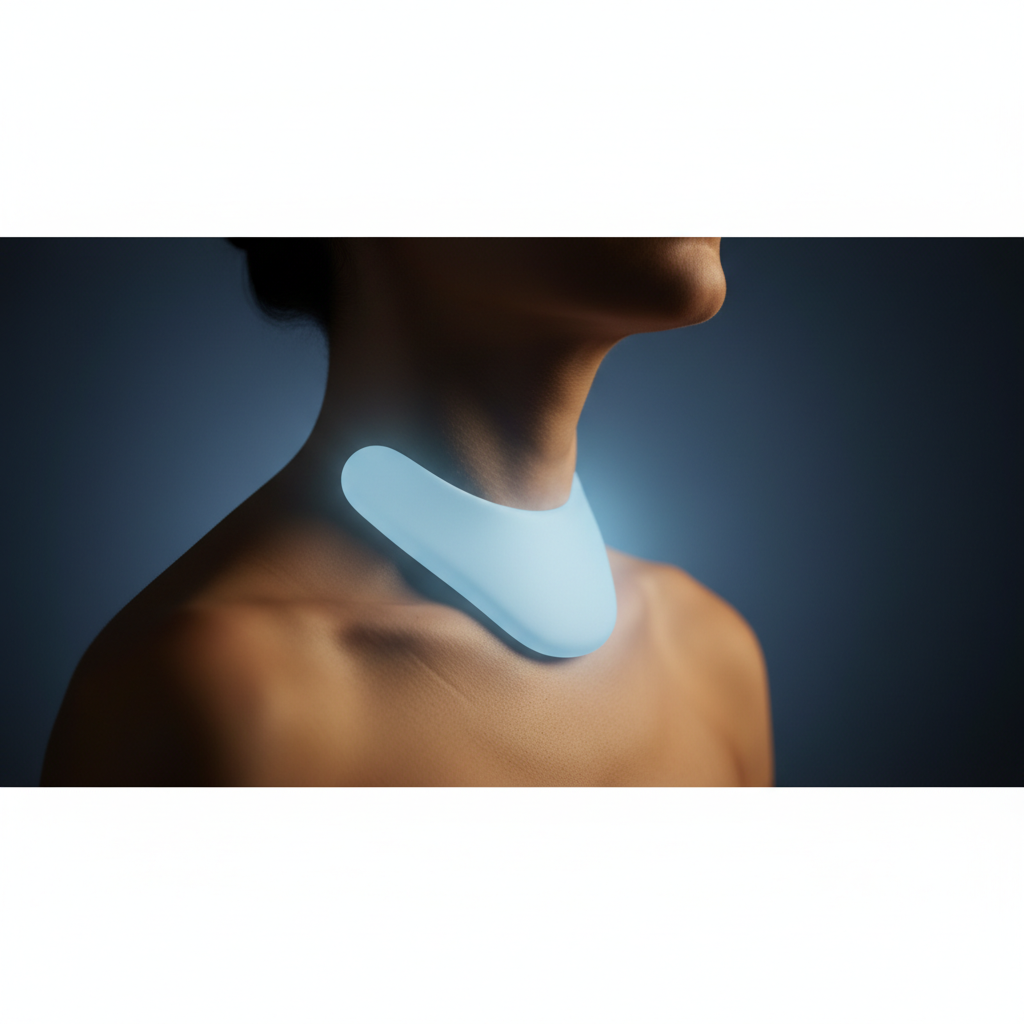
Over the front of the neck where the thyroid sits, sometimes combined with a full-body mat.
Looking for a PEMF clinic near you?
We list every credible PEMF therapy provider in the UK so you can find one near home.