In 40 seconds
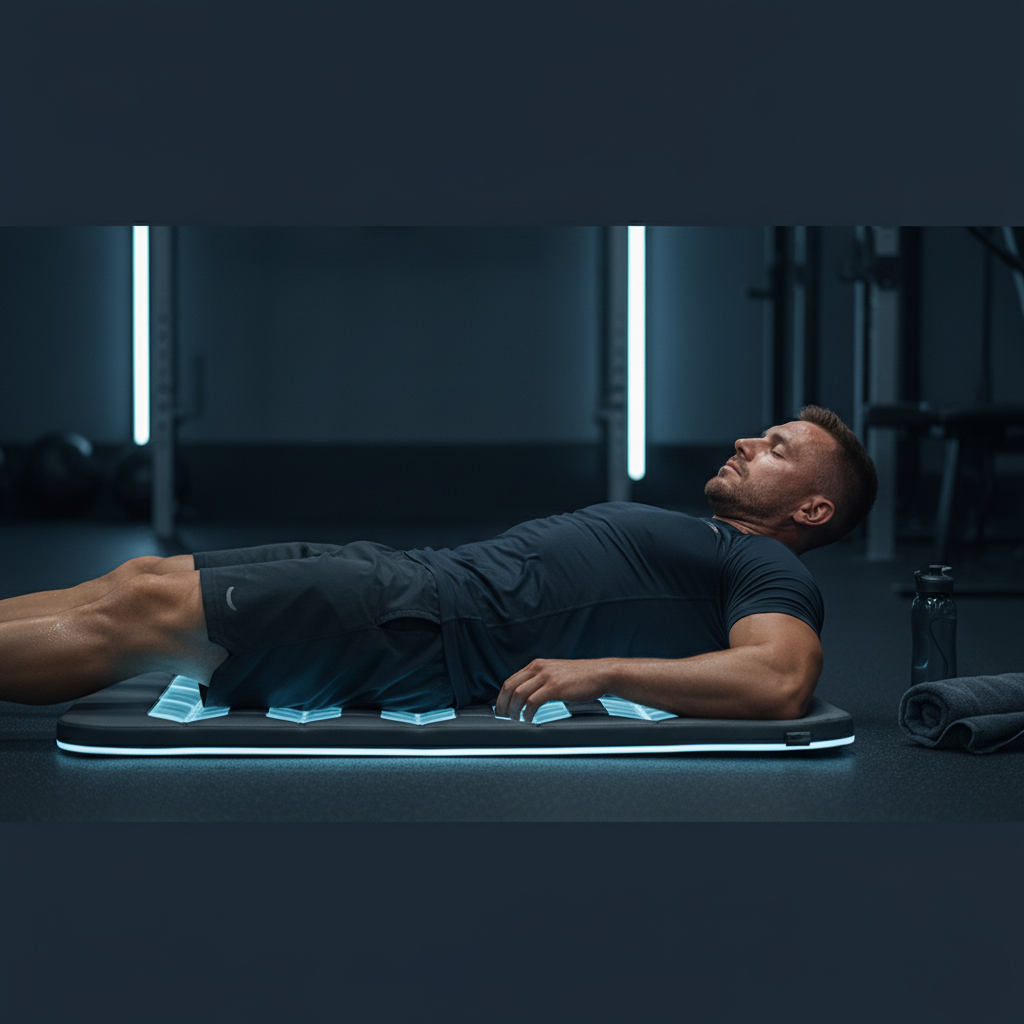
PEMF therapy reduces DOMS (delayed onset muscle soreness) and accelerates recovery between training sessions. A 2024 review in Frontiers in Sports & Active Living concluded PEMF accelerates muscle recovery when used alongside exercise. Athletes report DOMS resolution in 24–48 hours with PEMF, versus 72–96 hours without. The mechanism: increased ATP, improved microcirculation flushing metabolic waste (lactate, hydrogen ions), and reduced inflammation. Used by Olympic teams, premier-league clubs, and increasingly available in UK clinics for recreational athletes.
Quick facts
- Effect on DOMS: Reduces from ~72–96h to ~24–48h
- Mechanism: ATP boost, lactate clearance, reduced inflammation
- Used by: Olympic teams, premier-league clubs, Hyrox athletes
- Sessions: 1–2× per week maintenance, 3–4× during heavy blocks
- Stacks well with: Red light, sports massage, cold exposure
Why training recovery matters
Adaptation happens between sessions, not during them. The faster you recover, the more frequently you can train at quality, and the better you adapt. Recovery is the rate-limiting step in performance — and the place where small percentage gains compound.
How PEMF accelerates recovery
- Increases mitochondrial ATP production by up to 300–400%
- Improves microcirculation, accelerating waste clearance (lactate, hydrogen ions, free radicals)
- Reduces inflammatory cytokines that drive DOMS
- Supports protein synthesis and tissue repair
- Improves sleep quality — the dominant recovery window
The evidence
A 2024 review in Frontiers in Sports & Active Living systematically reviewed PEMF as an adjunct to exercise, concluding it accelerates muscle recovery and improves DOMS resolution. The 2025 multi-centre trial in Pain and Therapy confirmed efficacy across soft-tissue pain populations including post-exercise.
Source: Frontiers Sports & Active Living 2024
Typical recovery protocol
| Use case | Frequency | Session length |
|---|---|---|
| General training maintenance | 1–2× per week | 30–40 min |
| Heavy training block | 3–4× per week | 30–40 min |
| Pre-event recovery | Daily for 3 days | 40 min |
| Post-injury return | 3× per week | 40 min |
The full recovery stack
Many athletes combine PEMF with other recovery modalities for compounding effect:
- PEMF (40 min) — cellular voltage + inflammation
- Red light therapy (15 min) — mitochondrial optimisation
- Sports massage (30 min) — surface muscle release
- Cold (3 min) — acute inflammation control (carefully timed — avoid blunting strength gains)
- Sleep + nutrition — the foundations everything else amplifies
Contraindications
Hard exclusions — do not have PEMF if any apply:
- Pacemaker, implantable cardioverter-defibrillator (ICD), or any cardiac electronic device
- Cochlear implant or other implanted electronic hearing device
- Spinal cord stimulator, deep-brain stimulator, vagus nerve stimulator
- Intrathecal pump or implanted drug pump
- Insulin pump (continuous glucose monitors are usually fine — confirm with the clinic)
- Active infection at the treatment site
- Pregnancy — when treatment would be over the abdomen, lumbar spine, or pelvis
Discuss with your GP or specialist before booking if any apply:
- Active malignancy or recent cancer history (oncologist clearance required)
- History of seizures or epilepsy
- Multiple sclerosis or other neurological condition under specialist care
- Anticoagulant therapy (PEMF itself does not thin blood, but bruising risk if local circulation is already compromised)
- Children under 14 (most UK clinics will not treat under-18s without paediatric specialist input)
- Recent surgery within the last 14 days at the treatment site (confirm with surgeon)
NOT contraindications — these are commonly misunderstood:
- Plates, rods, screws and other passive metal orthopaedic hardware
- Dental implants and dental crowns
- Joint replacements (hip, knee, shoulder)
- IUDs (copper or hormonal)
- Tattoos and piercings (jewellery should be removed for the session)
Frequently asked questions
Does PEMF actually speed up recovery from training?
Yes. A 2024 review in Frontiers in Sports & Active Living concluded PEMF reduces DOMS (delayed onset muscle soreness) and improves recovery markers when used alongside exercise. Studies show DOMS resolution in 24–48 hours with PEMF compared to 72–96 hours without.
How does PEMF compare to ice baths or massage guns?
Different tools, different jobs. Ice baths reduce inflammation but blunt training adaptation. Massage guns release surface muscle tension. PEMF works at the cell — boosting ATP, reducing inflammation, and accelerating waste clearance. Used together, they cover different bases.
When should I use PEMF — before or after training?
Both work. Pre-training PEMF can act as a mobility primer; post-training is more common, used for recovery. Many athletes layer PEMF (40 min) → red light (15 min) → cold (3 min) for a full recovery stack.
Will it help with overtraining symptoms?
Likely yes — PEMF supports nervous system recovery, sleep quality, and tissue repair. Overtraining is multi-factorial; PEMF is part of the solution alongside reduced load, more sleep, and nutrition.
How often for an active athlete?
1–2 sessions per week as standard maintenance. Increase to 3–4 per week during heavy training blocks or injury recovery.
Looking for a PEMF clinic near you?
We list every credible PEMF therapy provider in the UK so you can find one near home.