In 40 seconds
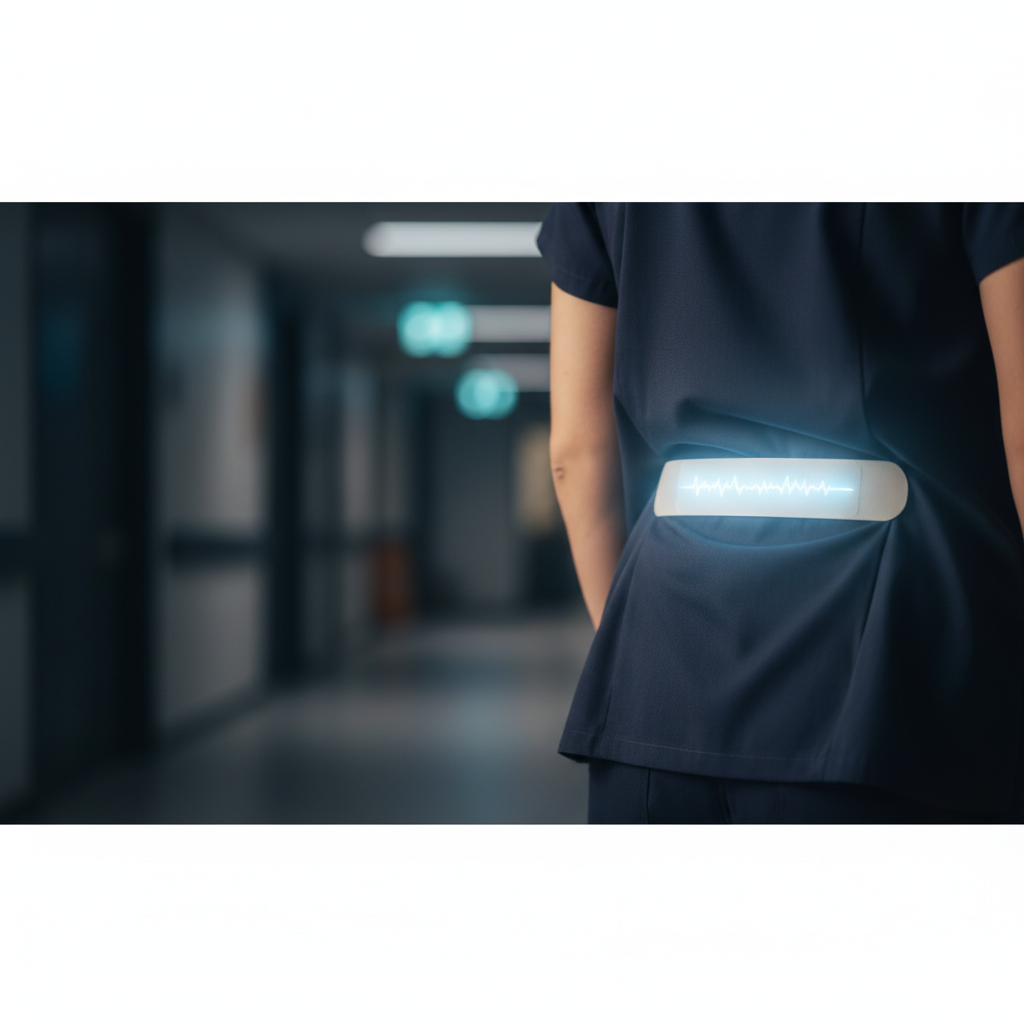
Nurses, healthcare assistants, and care workers face high rates of occupational low back pain — driven by patient handling, long shifts, and cumulative manual loading. PEMF therapy reduces accumulated inflammation and supports recovery between shifts. Used in some NHS occupational health pathways.
Quick facts
- Common occupational issues: Low back, neck, shoulder
- Trigger: Patient handling, long shifts, awkward positions
- PEMF role: Inflammation, recovery between shifts
- Sessions: 2× per week
Why this injury happens in this sport
Patient handling is the highest-risk occupational task in healthcare. Modern equipment (hoists, slide sheets) reduces but doesn't eliminate risk.
Recovery and return to sport
PEMF 2× per week alongside proper patient handling technique, equipment use, and core/glute strengthening for resilience.
Contraindications
Hard exclusions — do not have PEMF if any apply:
- Pacemaker, implantable cardioverter-defibrillator (ICD), or any cardiac electronic device
- Cochlear implant or other implanted electronic hearing device
- Spinal cord stimulator, deep-brain stimulator, vagus nerve stimulator
- Intrathecal pump or implanted drug pump
- Insulin pump (continuous glucose monitors are usually fine — confirm with the clinic)
- Active infection at the treatment site
- Pregnancy — when treatment would be over the abdomen, lumbar spine, or pelvis
Discuss with your GP or specialist before booking if any apply:
- Active malignancy or recent cancer history (oncologist clearance required)
- History of seizures or epilepsy
- Multiple sclerosis or other neurological condition under specialist care
- Anticoagulant therapy (PEMF itself does not thin blood, but bruising risk if local circulation is already compromised)
- Children under 14 (most UK clinics will not treat under-18s without paediatric specialist input)
- Recent surgery within the last 14 days at the treatment site (confirm with surgeon)
NOT contraindications — these are commonly misunderstood:
- Plates, rods, screws and other passive metal orthopaedic hardware
- Dental implants and dental crowns
- Joint replacements (hip, knee, shoulder)
- IUDs (copper or hormonal)
- Tattoos and piercings (jewellery should be removed for the session)
Specific to this condition: pacemakers, defibrillators, cochlear implants, insulin pumps, electronic implants; active malignancy without specialist clearance; pregnancy (over the abdomen); active infection; epilepsy without GP clearance.
Frequently asked questions
Can NHS staff get free PEMF?
Some NHS occupational health services offer it; most require private payment.
Looking for a PEMF clinic near you?
We list every credible PEMF therapy provider in the UK so you can find one near home.