In 40 seconds
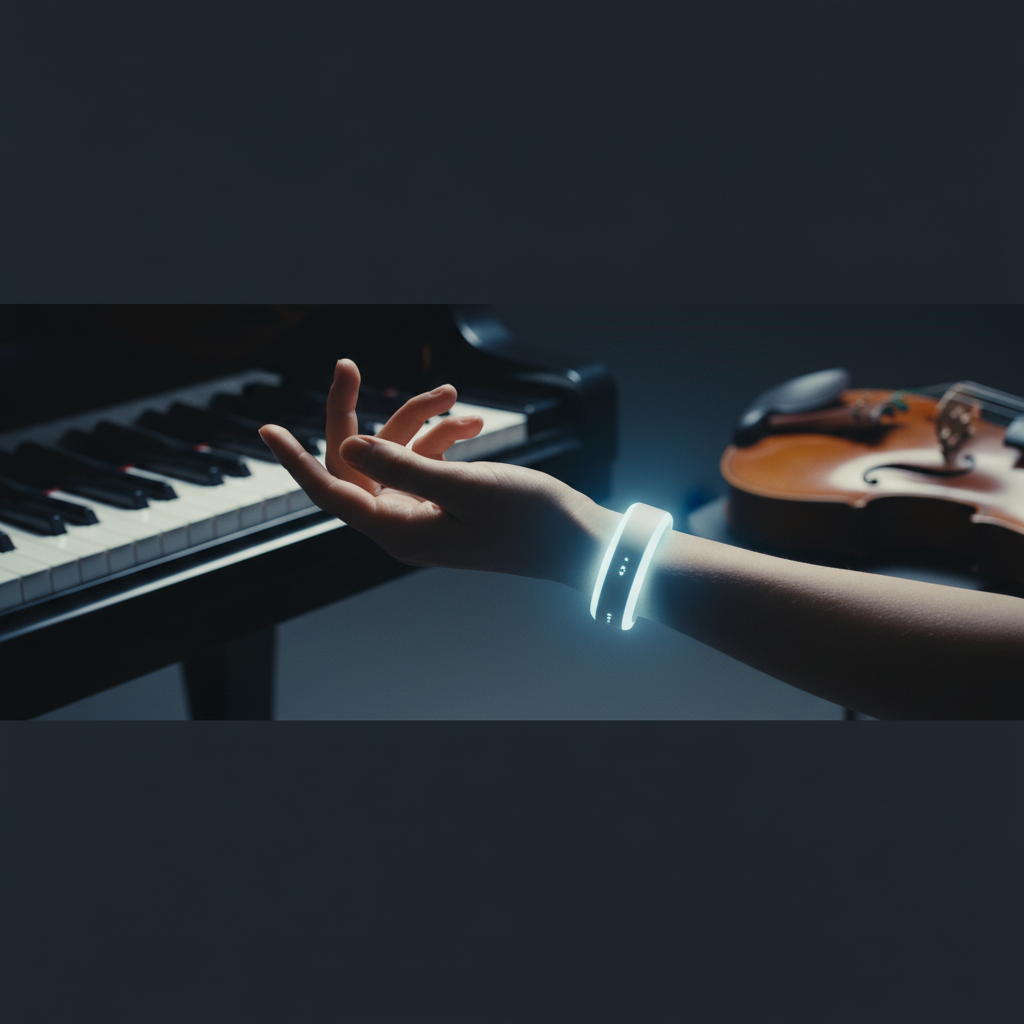
Musicians — pianists, string players, guitarists, drummers — face high rates of upper limb overuse injury including focal dystonia, tendinopathy, carpal tunnel, and thoracic outlet syndrome. PEMF therapy reduces inflammation and supports tendon recovery. Used by some performing arts medicine clinics.
Quick facts
- Common conditions: Tendinopathy, carpal tunnel, focal dystonia, TOS
- Affects: 30–80% of professional musicians depending on instrument
- PEMF role: Inflammation, tendon recovery
- Pairs with: Practice review, technique work
Why this injury happens in this sport
Practice volume + performance pressure + awkward postures combine. String players particularly affected. Focal dystonia (loss of motor control) is the most career-threatening.
Recovery and return to sport
PEMF 2–3× per week alongside practice review (volume, breaks, technique) and where appropriate specialist performing-arts physiotherapy.
Contraindications
Hard exclusions — do not have PEMF if any apply:
- Pacemaker, implantable cardioverter-defibrillator (ICD), or any cardiac electronic device
- Cochlear implant or other implanted electronic hearing device
- Spinal cord stimulator, deep-brain stimulator, vagus nerve stimulator
- Intrathecal pump or implanted drug pump
- Insulin pump (continuous glucose monitors are usually fine — confirm with the clinic)
- Active infection at the treatment site
- Pregnancy — when treatment would be over the abdomen, lumbar spine, or pelvis
Discuss with your GP or specialist before booking if any apply:
- Active malignancy or recent cancer history (oncologist clearance required)
- History of seizures or epilepsy
- Multiple sclerosis or other neurological condition under specialist care
- Anticoagulant therapy (PEMF itself does not thin blood, but bruising risk if local circulation is already compromised)
- Children under 14 (most UK clinics will not treat under-18s without paediatric specialist input)
- Recent surgery within the last 14 days at the treatment site (confirm with surgeon)
NOT contraindications — these are commonly misunderstood:
- Plates, rods, screws and other passive metal orthopaedic hardware
- Dental implants and dental crowns
- Joint replacements (hip, knee, shoulder)
- IUDs (copper or hormonal)
- Tattoos and piercings (jewellery should be removed for the session)
Specific to this condition: pacemakers, defibrillators, cochlear implants, insulin pumps, electronic implants; active malignancy without specialist clearance; pregnancy (over the abdomen); active infection; epilepsy without GP clearance.
Frequently asked questions
Will PEMF help focal dystonia?
Limited direct evidence. Focal dystonia is neurological and needs specialist treatment. PEMF may support broader hand health alongside primary care.
Looking for a PEMF clinic near you?
We list every credible PEMF therapy provider in the UK so you can find one near home.