In 40 seconds
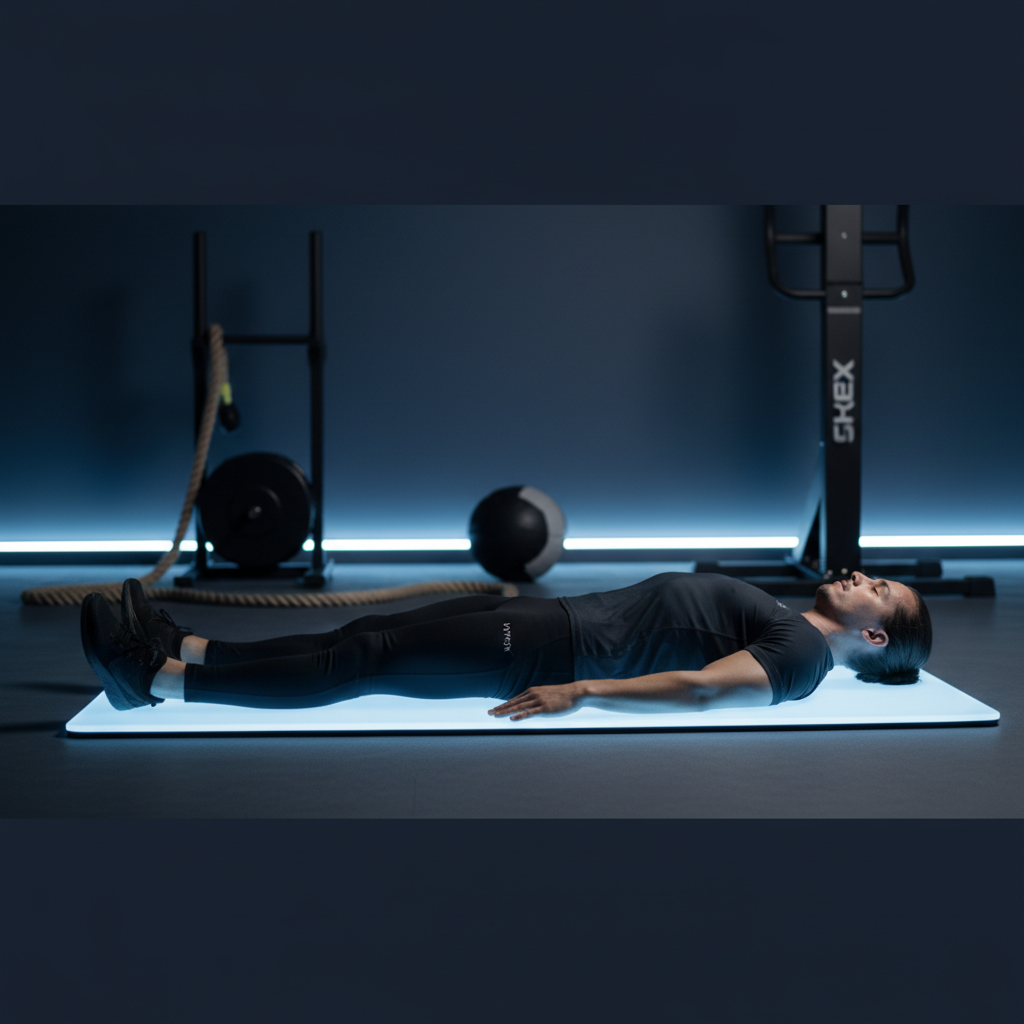
Hyrox combines 8km of running with 8 high-output stations — sled, burpees, row, ski, lunges, wall balls, farmer's carry. The combined load on legs, lungs, and central nervous system is similar to a half-marathon plus heavy strength training. PEMF therapy reduces the inflammation and accumulated muscle damage that blocks high-quality back-to-back training, accelerates recovery, and helps athletes hit race day fresh. Used by elite Hyrox PROs and increasingly mainstream in UK clinics.
Quick facts
- UK Hyrox community: 1,700+ affiliated training gyms, growing fast
- Recovery demand: Brutal — sled, runs, lunges, ski erg, wall balls combined
- PEMF role: ATP boost, lactate clearance, inflammation control
- Sessions: 1–2× per week standard, 3–4× in race-prep block
- Stacks with: Red light, sports massage, sleep, nutrition
Hyrox-specific PEMF protocol
| Phase | Frequency | Focus |
|---|---|---|
| Base training | 1–2× per week | Recovery between sessions |
| Race build (4–6 weeks out) | 2× per week | Reduce fatigue accumulation |
| Taper week | 3–4× per week | Arrive fresh on race day |
| Post-race | 2× in 48h post | Inflammation control + tissue repair |
Contraindications
Hard exclusions — do not have PEMF if any apply:
- Pacemaker, implantable cardioverter-defibrillator (ICD), or any cardiac electronic device
- Cochlear implant or other implanted electronic hearing device
- Spinal cord stimulator, deep-brain stimulator, vagus nerve stimulator
- Intrathecal pump or implanted drug pump
- Insulin pump (continuous glucose monitors are usually fine — confirm with the clinic)
- Active infection at the treatment site
- Pregnancy — when treatment would be over the abdomen, lumbar spine, or pelvis
Discuss with your GP or specialist before booking if any apply:
- Active malignancy or recent cancer history (oncologist clearance required)
- History of seizures or epilepsy
- Multiple sclerosis or other neurological condition under specialist care
- Anticoagulant therapy (PEMF itself does not thin blood, but bruising risk if local circulation is already compromised)
- Children under 14 (most UK clinics will not treat under-18s without paediatric specialist input)
- Recent surgery within the last 14 days at the treatment site (confirm with surgeon)
NOT contraindications — these are commonly misunderstood:
- Plates, rods, screws and other passive metal orthopaedic hardware
- Dental implants and dental crowns
- Joint replacements (hip, knee, shoulder)
- IUDs (copper or hormonal)
- Tattoos and piercings (jewellery should be removed for the session)
Frequently asked questions
Why is Hyrox so brutal on the body?
Hyrox combines 8 1km runs with 8 high-output stations (sled push/pull, burpee broad jumps, rowing, ski erg, sandbag lunges, wall balls, farmer's carry). The total load on legs, lungs, and CNS is immense — a Hyrox PRO produces total work output similar to a half-marathon plus heavy CrossFit.
When should I use PEMF in Hyrox training?
Three windows: (1) post-heavy-session recovery, (2) the week before competition, (3) immediately after race day. Most athletes do 1–2 sessions per week as standard, with a heavier block 7–10 days before a target event.
Will PEMF help my running between stations?
Indirectly. PEMF improves recovery quality and reduces accumulated muscle damage, so each training session lands cleanly. The compound effect is faster running and steadier station performance over multiple weeks.
Is PEMF better than ice baths for Hyrox?
They do different jobs. PEMF works on cellular voltage and inflammation. Ice baths blunt acute inflammation but can reduce training adaptation if used too aggressively. Many Hyrox athletes use PEMF most days and ice baths sparingly.
Can I use PEMF on race day?
Some athletes do a short pre-race session as a primer. Most reserve it for post-race recovery, which is where it shines.
Looking for a PEMF clinic near you?
We list every credible PEMF therapy provider in the UK so you can find one near home.