In 40 seconds
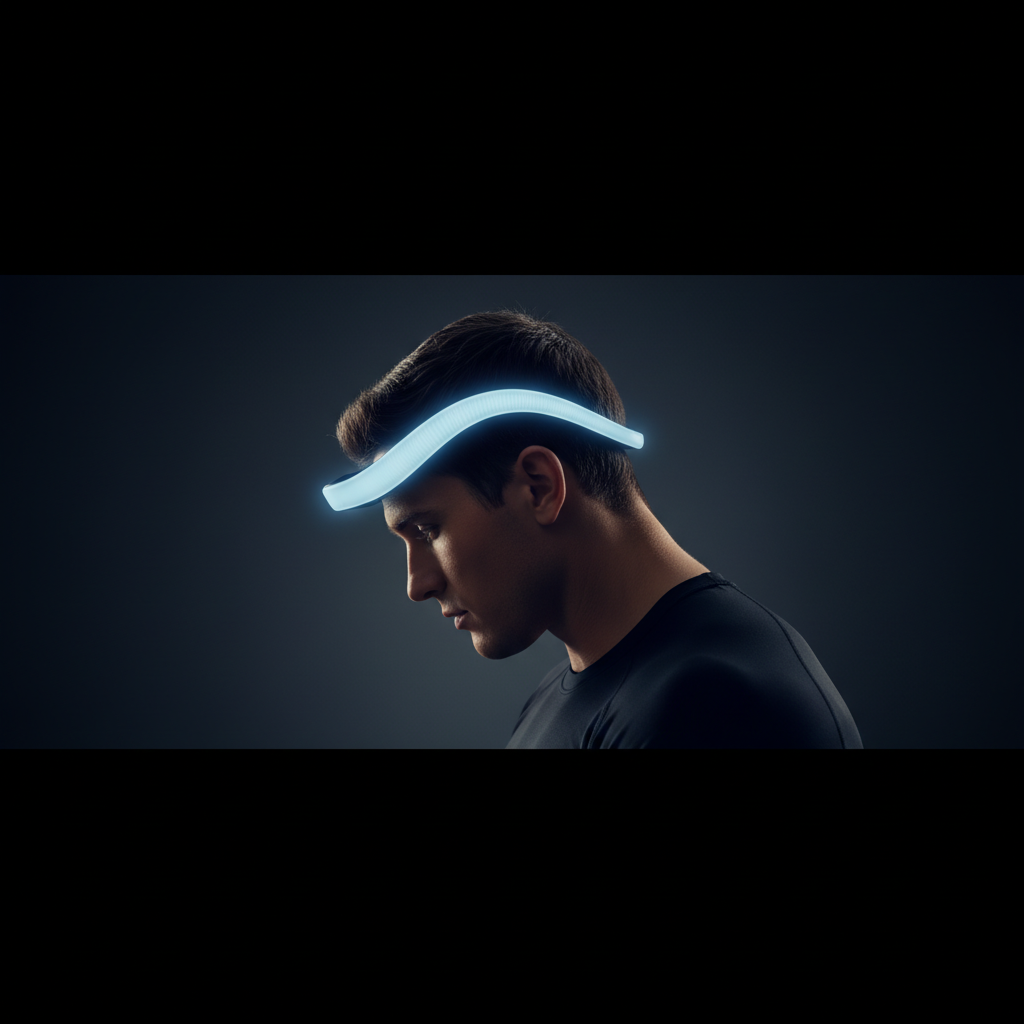
Post-concussion syndrome — persistent symptoms after a concussion — affects roughly 15% of patients beyond 3 months. Headaches, brain fog, fatigue, sleep disturbance, and mood changes can all linger. PEMF therapy supports the underlying neuroinflammation and may accelerate recovery as part of multimodal care including graded return-to-activity, sleep optimisation, and vestibular rehab where indicated. Specialist transcranial PEMF (T-PEMF) protocols have been studied for post-concussion syndrome with promising early results.
Quick facts
- Affects: ~15% of concussions persist >3 months
- Symptoms: Headache, brain fog, fatigue, sleep disturbance
- PEMF role: Reduces neuroinflammation, supports recovery
- Sessions: 2× per week for 8–12 weeks
- Pairs with: Graded activity, sleep, vestibular rehab
How PEMF helps a recovering brain
- Reduces neuroinflammation that drives post-concussion symptoms
- Supports mitochondrial recovery in stressed neurons
- Improves sleep — critical for brain recovery
- Calms autonomic dysregulation common after head injury
When to use it
Most acute concussions resolve in 2–4 weeks with relative rest and graded return. PEMF is most useful for the persistent cohort — those with symptoms beyond 4–6 weeks. Always work with your GP or sports medicine doctor for proper assessment and graded return.
Contraindications
Hard exclusions — do not have PEMF if any apply:
- Pacemaker, implantable cardioverter-defibrillator (ICD), or any cardiac electronic device
- Cochlear implant or other implanted electronic hearing device
- Spinal cord stimulator, deep-brain stimulator, vagus nerve stimulator
- Intrathecal pump or implanted drug pump
- Insulin pump (continuous glucose monitors are usually fine — confirm with the clinic)
- Active infection at the treatment site
- Pregnancy — when treatment would be over the abdomen, lumbar spine, or pelvis
Discuss with your GP or specialist before booking if any apply:
- Active malignancy or recent cancer history (oncologist clearance required)
- History of seizures or epilepsy
- Multiple sclerosis or other neurological condition under specialist care
- Anticoagulant therapy (PEMF itself does not thin blood, but bruising risk if local circulation is already compromised)
- Children under 14 (most UK clinics will not treat under-18s without paediatric specialist input)
- Recent surgery within the last 14 days at the treatment site (confirm with surgeon)
NOT contraindications — these are commonly misunderstood:
- Plates, rods, screws and other passive metal orthopaedic hardware
- Dental implants and dental crowns
- Joint replacements (hip, knee, shoulder)
- IUDs (copper or hormonal)
- Tattoos and piercings (jewellery should be removed for the session)
Specific to this condition: pacemakers, defibrillators, cochlear implants, insulin pumps, electronic implants; active malignancy without specialist clearance; pregnancy (over the abdomen); active infection; epilepsy without GP clearance.
Frequently asked questions
Will PEMF speed up concussion recovery?
Most acute concussions resolve in 2–4 weeks regardless. For persistent post-concussion syndrome (>4–6 weeks), PEMF may help reduce neuroinflammation and support recovery.
What about long-term TBI?
PEMF is being studied for chronic TBI. Evidence is early but mechanistically promising. Always combine with established rehabilitation.
Is it safe to do PEMF on the head?
Yes at clinical low-intensity protocols. Epilepsy is a relative contraindication and requires GP/neurologist clearance first.
Should athletes use PEMF preventatively?
There's no evidence PEMF prevents concussion. Use for recovery rather than prevention.
Looking for a PEMF clinic near you?
We list every credible PEMF therapy provider in the UK so you can find one near home.